



When considering biological dental implants, many patients look beyond aesthetics and durability and ask a deeper question: how will this choice affect my overall health?
Are dental implants truly safe for my body?
Biological dental implants offer a metal-free, biocompatible alternative to traditional titanium implants. Designed to work harmoniously with the body, they support natural healing, reduce inflammatory risks, and align with a holistic philosophy of dental care.
If you are researching biological dental implants, holistic dental implants, or metal-free dental implants, this guide will walk you through everything you need to know — from materials and safety to long-term benefits.
What Are Biological Dental Implants?
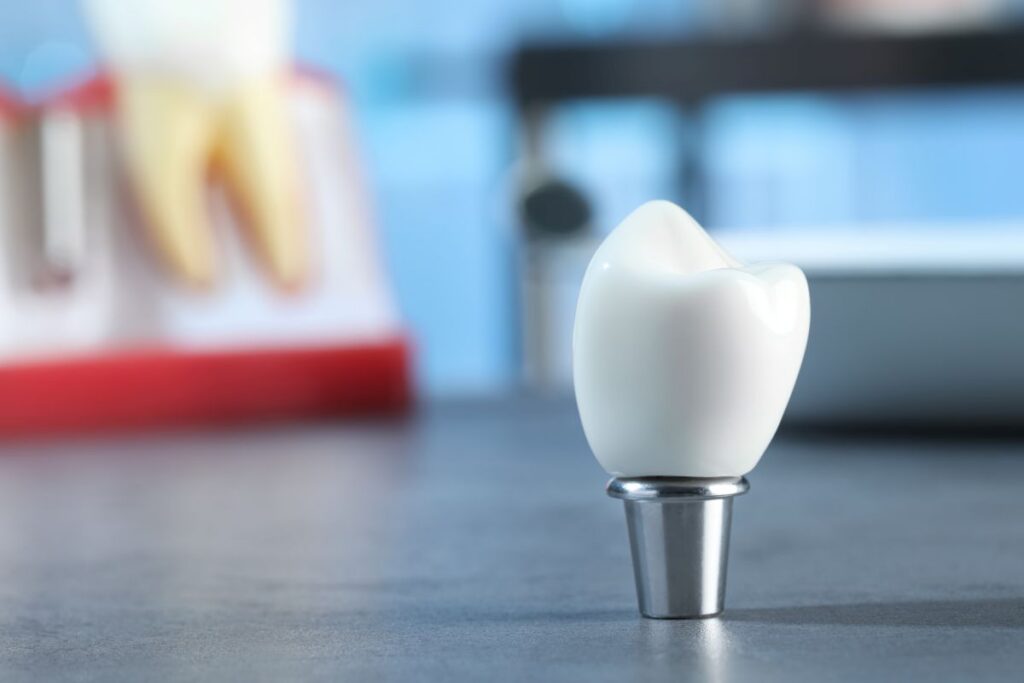
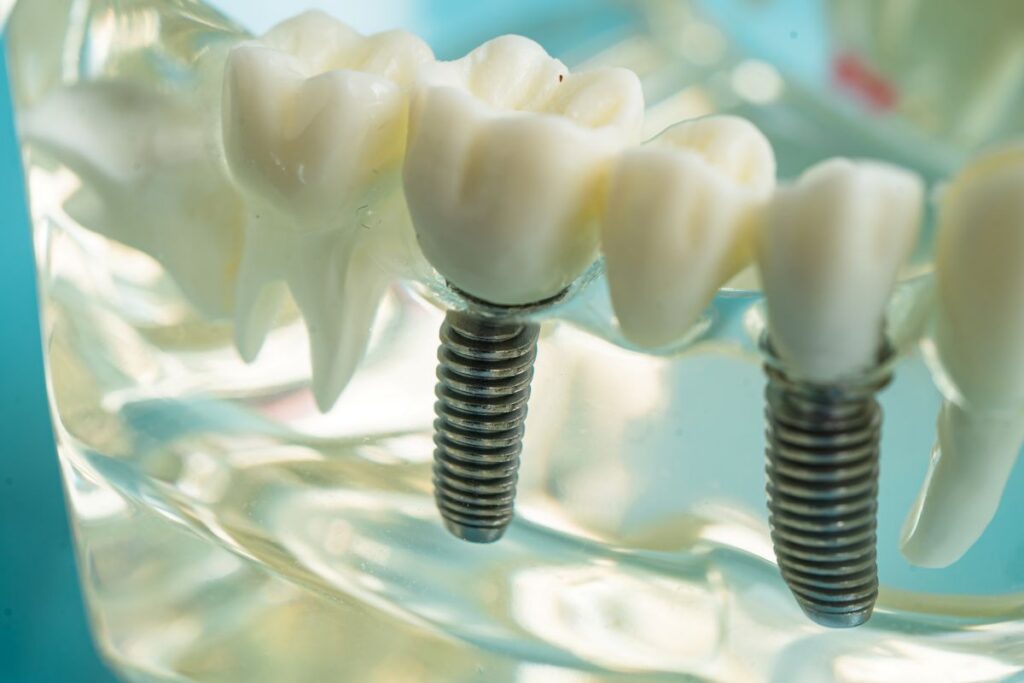
Biological dental implants are restorative tooth replacements designed with whole-body compatibility in mind.
Unlike traditional implants made from titanium, biological implants are typically crafted from zirconia — a strong, ceramic, metal-free material that integrates naturally with bone and soft tissue.
The goal is not only to replace a missing tooth, but to do so in a way that:
• Supports systemic health
• Minimizes inflammation
• Reduces allergic or immune reactions
• Promotes optimal healing
This approach reflects the broader principles of bio-compatible dentistry — dentistry that considers how oral materials affect the entire body.
What Makes an Implant “Biological” or “Holistic”?
A biological implant is defined by three primary characteristics:
1. Metal-Free Composition
Most biological implants are made from zirconia, eliminating concerns about metal sensitivity or corrosion.
2. High Biocompatibility
Zirconia is hypoallergenic and highly tissue-friendly. It encourages healthy integration with bone and gum tissue.
3. Whole-Body Consideration
Holistic implant dentistry evaluates how the implant material may impact immune function, inflammation levels, and systemic health.
Rather than focusing solely on mechanical function, biological dentistry prioritizes compatibility and long-term wellness.
Zirconia vs Titanium Implants: What’s the Difference?
Understanding the material difference is key when choosing between traditional and biological dental implants.
| Feature | Zirconia Implants | Titanium Implants |
|---|---|---|
| Composition | Ceramic (metal-free) | Metal alloy |
| Aesthetics | Tooth-colored | Metallic gray |
| Biocompatibility | Extremely high | High but metal-based |
| Corrosion Risk | None | Possible in certain conditions |
| Allergy Potential | Very low | Rare but possible |
| Bacterial Adhesion | Lower | Slightly higher |
Titanium has been used successfully for decades and remains widely accepted. However, some patients prefer a metal-free alternative due to concerns about sensitivity, inflammation, or overall biological load.
Zirconia implants provide a durable, aesthetic, and highly compatible option for patients seeking a holistic solution.
Are Biological Dental Implants Safer?
For many patients, safety is the primary concern.
Zirconia implants are:
• Hypoallergenic
• Resistant to corrosion
• Non-conductive (they do not transmit electrical currents)
• Less prone to plaque accumulation
Because they are metal-free, they eliminate the rare but documented cases of titanium sensitivity.
While titanium implants are considered safe for most individuals, patients with autoimmune conditions, metal sensitivities, or chronic inflammation sometimes prefer zirconia implants for added peace of mind.
The key is proper diagnosis and case selection by a qualified biological dentist.
Benefits of Biological Dental Implants
1. Reduced Inflammatory Response
Biocompatible materials are less likely to trigger immune reactions.
2. Natural Aesthetic
Zirconia is tooth-colored, preventing dark gum shadows that can occur with metal implants.
3. Lower Plaque Attraction
The smooth ceramic surface may reduce bacterial adhesion.
4. Strong Osseointegration
Zirconia integrates securely with the jawbone, supporting long-term stability.
5. Whole-Body Alignment
Biological implants align with a broader philosophy of reducing toxic load and supporting systemic wellness.
Who Should Consider Metal-Free Dental Implants?
Biological dental implants may be especially beneficial for:
• Patients with metal allergies
• Individuals with autoimmune disorders
• Those with chronic inflammatory conditions
• Patients concerned about long-term systemic health
• Individuals seeking holistic dental care
Not every patient requires zirconia implants, but for the right candidate, they offer an excellent alternative.
The Biological Dental Implant Procedure: What to Expect
The process is similar to traditional implant placement, but with a holistic approach to planning and healing.
Step 1: Comprehensive Evaluation
A biological dentist assesses bone health, gum condition, and overall medical history.
Step 2: Precise Surgical Placement
The zirconia implant is placed into the jawbone under local anesthesia.
Step 3: Healing & Osseointegration
Over several months, the implant integrates with the bone.
Step 4: Final Restoration
A custom crown is placed to restore full function and aesthetics.
Holistic protocols may also include nutritional guidance and inflammation support to promote optimal healing.
Are There Side Effects of Biological Dental Implants?
All surgical procedures carry some risk, including:
• Temporary swelling
• Mild discomfort
• Infection (rare with proper care)
• Implant failure (low risk when properly placed)
Zirconia implants do not eliminate surgical risks, but they may reduce the likelihood of allergic or metal-related reactions.
Proper case selection and skilled placement are essential for success.
How Long Do Biological Dental Implants Last?
With proper care, biological dental implants can last decades.
Longevity depends on:
• Bone quality
• Oral hygiene habits
• Gum health
• Bite alignment
• Regular professional maintenance
Studies show zirconia implants demonstrate high survival rates comparable to titanium when placed correctly.
Frequently Asked Questions About Biological Dental Implants
Are metal-free dental implants FDA approved?
Yes. Zirconia implants are FDA cleared and widely used in modern dentistry.
Do zirconia implants last as long as titanium?
When properly placed and maintained, zirconia implants have comparable long-term success rates.
Are biological implants better than traditional implants?
“Better” depends on the patient. For individuals concerned about metal exposure or systemic compatibility, biological implants may be the preferred option.
Are dental implants safe overall?
Dental implants — both titanium and zirconia — are considered safe when placed by trained professionals. Biological implants offer an alternative for patients seeking a metal-free solution.
Who is not a candidate for zirconia implants?
Patients with insufficient bone or certain anatomical limitations may require alternative treatment plans.
Biological Dentistry and Whole-Body Health
Biological dental implants are part of a larger philosophy of care.
This approach considers:
• The relationship between oral inflammation and systemic health
• The impact of materials on immune response
• Long-term tissue compatibility
• Preventive and minimally invasive principles
When dental materials are chosen thoughtfully, they support not just a restored smile, but overall wellness.
Is a Biological Dental Implant Right for You?
Choosing an implant is not just about replacing a missing tooth.
It is about selecting a solution that aligns with your health priorities, aesthetic goals, and long-term wellness.
If you are exploring metal-free dental implants or holistic dental implant options, consulting with a biocompatible dentist is the best first step.
A personalized evaluation will determine whether a zirconia implant is the right choice for your smile — and your body.