Orthodontics and myofunctional therapy consider more than tooth alignment. They look at how your teeth, jaws, tongue, and oral muscles work together—and whether breathing concerns deserve further evaluation.
At Complete Health Dentistry in Grand Rapids, we evaluate your bite alongside jaw development, palatal development, and oral function. The goal is to understand which findings matter for your health and comfort before recommending treatment.
Airway-focused orthodontics does not mean everyone needs an expander or that orthodontic treatment cures sleep apnea. Your care should reflect your anatomy, stage of growth, symptoms, and individual treatment goals.
Crowding, a crossbite, or a narrow palate can be reasons to examine the relationship between your teeth and jaws more closely. Tongue posture, swallowing patterns, and persistent mouth breathing may add useful information.
These findings do not establish the cause of a breathing problem on their own. Functional orthodontics considers how your bite and oral structures work together while recognizing when medical evaluation is needed.
If snoring, disrupted sleep, or difficulty breathing through your nose is part of your concern, explore our Airway & Sleep Health services or learn about an airway assessment.
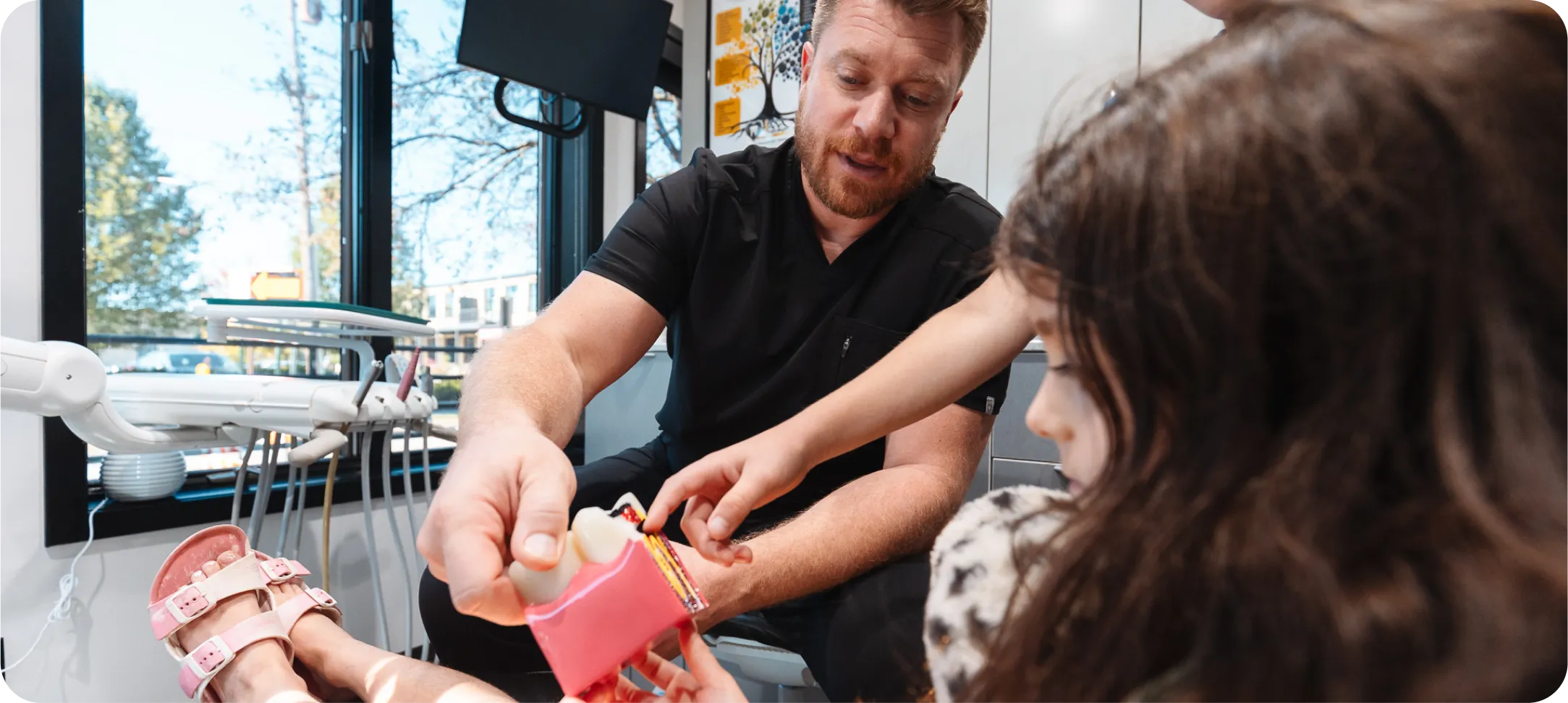
For growing children, selected appliances may help address diagnosed bite or jaw-development concerns. Recommendations depend on the child’s growth, oral development, and examination findings. Early treatment does not guarantee that braces or other orthodontic care will be unnecessary later.
Palatal expansion may be considered when the upper jaw is too narrow for an appropriate bite relationship. The approach differs between growing children and adults. Expansion requires an individual assessment; crowding or mouth breathing alone does not establish that an expander is needed.
Learn about MARPE and adult palatal expansion.
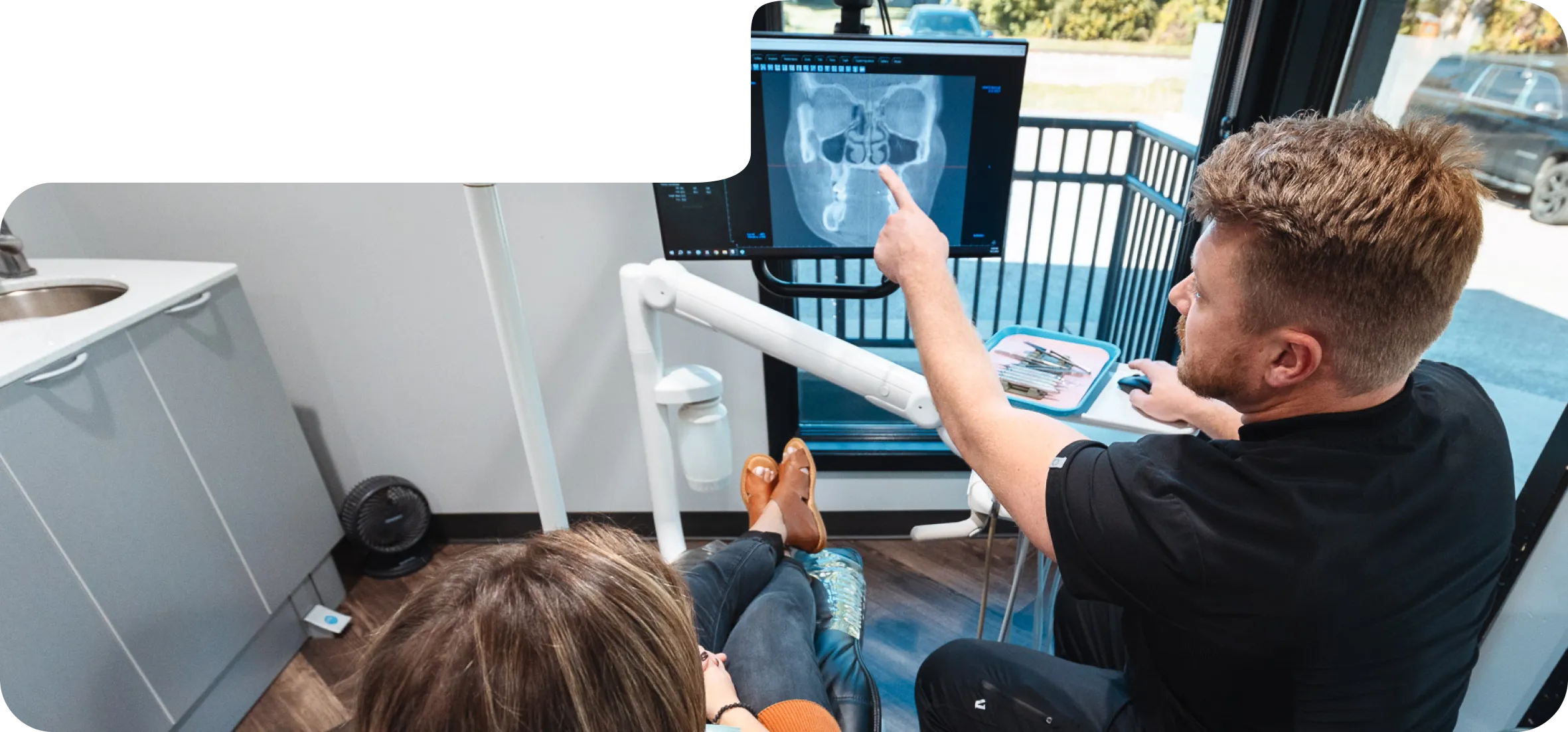
When clinically appropriate, three-dimensional CBCT imaging can provide additional information about the teeth, jaws, and surrounding anatomy. Imaging supports treatment planning alongside your examination and health history. A scan alone cannot diagnose sleep apnea or show how you breathe throughout the night.
Myofunctional therapy addresses patterns involving the tongue, lips, and facial muscles. Depending on your assessment, therapy may focus on tongue resting posture, lip closure, swallowing, and coordination of oral movements.
Myofunctional therapy may complement orthodontic care when a functional concern is identified. It does not guarantee that teeth will remain aligned, replace prescribed retainers, or serve as a proven cure for sleep apnea.
Orthodontics and myofunctional therapy have different roles:
| Approach | Main focus | Important distinction |
|---|---|---|
| Orthodontic treatment | Tooth positions, bite relationships, and selected jaw-development concerns | The appropriate appliance depends on the diagnosis and stage of growth. |
| Myofunctional therapy | Tongue posture and oral muscle movement patterns | Exercises do not replace evaluation of nasal obstruction or medical sleep concerns. |
| Coordinated care | Structural and functional findings that occur together | Some patients benefit from both approaches; others need a different care pathway. |
A person who cannot breathe comfortably through the nose may need evaluation for an underlying obstruction before working on a closed-mouth resting posture. Treatment may involve coordination with an ENT, physician, or appropriately trained therapist.
Your treatment plan should explain what we are addressing, why it matters, and how progress will be assessed. Depending on your needs, goals may include:
Breathing and sleep concerns can have several causes. Changes in tooth alignment or jaw dimensions do not automatically mean a sleep-related breathing disorder has resolved.
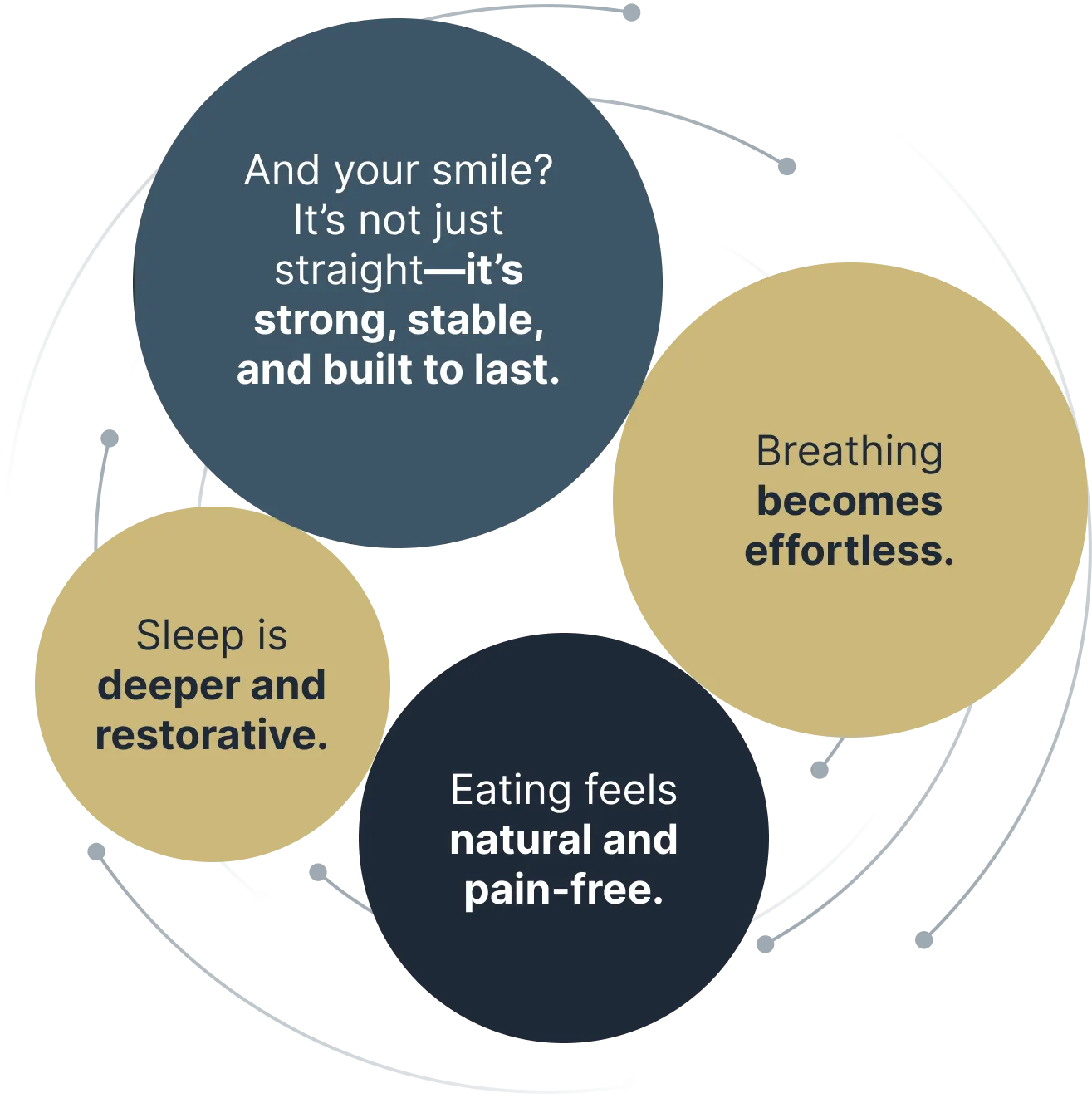
Improving tooth alignment and bite relationships.
Addressing a diagnosed narrow upper jaw or developmental concern.
Improving tongue posture or swallowing patterns when therapy is appropriate.
Coordinating further evaluation for breathing or sleep symptoms.
Airway orthodontics describes an approach to orthodontic evaluation that considers the relationship between the teeth, jaws, oral function, and breathing concerns. It is an approach to assessment and treatment planning, rather than one specific appliance or procedure.
Orthodontic treatment should not be presented as a universal treatment or cure for sleep apnea. Selected patients may have structural findings that warrant orthodontic care as part of a coordinated plan. Suspected sleep apnea requires medical evaluation, and treatment decisions should involve the appropriate healthcare providers.
Yes. Adults can be evaluated for a narrow upper jaw, but treatment options differ from those used during childhood growth. Our MARPE page explains one expansion approach that may be considered for appropriately selected patients.
Possibly. Early treatment may address a specific developmental or bite concern, but additional orthodontic treatment may still be needed as permanent teeth erupt and growth continues.
Not everyone does. Therapy may be recommended when an assessment identifies a relevant tongue-posture, swallowing, or oral muscle concern. Your team should explain the purpose of therapy and how it fits with the rest of your care.
No. Moving teeth into different positions and expanding the underlying upper jaw are different treatment objectives. Learn more about Invisalign candidacy, then discuss which approach fits your findings.
Whether your concern is crowding, a narrow palate, oral muscle function, or breathing symptoms alongside a bite problem, the first step is understanding the cause.
Request an appointment at Complete Health Dentistry in Grand Rapids, or call (616) 458-7267 to discuss your concerns.