



Replacing a missing tooth is a big step toward restoring your smile and confidence. At the heart of this solution is the dental implant, a small post that acts as a new, permanent tooth root. For decades, titanium was the standard choice, but today a strong ceramic material called zirconia offers a popular alternative.
Many patients in Grand Rapids, MI wonder: when it comes to zirconia vs titanium dental implants, which one is actually better? The good news is that you are not choosing between a “good” and a “bad” option. Dentists consider both to be excellent, highly successful materials. The decision is about choosing the right dental implant material for your specific needs, from aesthetics and strength to cost and health.
If you are exploring a metal free option, our guide to biological dental implants explains how zirconia implants support whole body compatibility as part of a bio compatible approach.
What Is a Dental Implant? Your New Tooth’s 3 Part Foundation
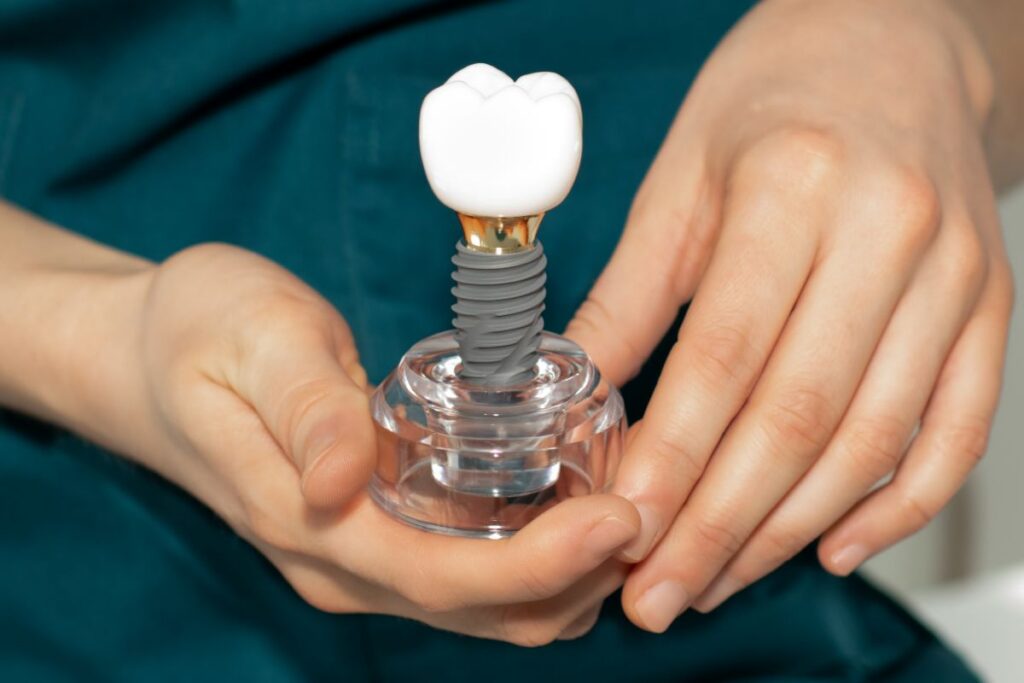
When you hear the term “dental implant,” you might picture the entire visible tooth. However, a modern implant is a sophisticated, three part system designed to replicate the function of a natural tooth from the root up.
Imagine building a small, strong fence. First, you need a solid anchor in the ground. This is the implant itself, a small, screw like post placed in the jawbone to act as a new root. Once secure, a connector piece called the abutment is attached, sitting right at the gumline. Finally, the crown, the white, tooth shaped part that everyone sees, is placed onto the abutment, restoring your smile.
This three part structure is precisely why implants feel so secure and natural. By replacing the root, the implant creates a stable foundation that doesn’t put pressure on any of your other teeth. In any dental implant comparison, whether it’s discussing zirconia dental implants vs titanium, it is this foundational post that is at the heart of the treatment.
Dental implants are often part of a comprehensive plan within general and restorative dentistry, especially when the goal is long term function and stability.
The “Magic” of Implants: How They Become Part of Your Jawbone
A dental implant post isn’t just secured like hardware in a wall. Over the following weeks and months, your jawbone naturally grows directly onto and fuses with the implant’s surface. This remarkable biological process is called osseointegration. Think of it like a tree’s roots interlocking with the soil until they become immovably strong. This fusion is the secret behind an implant’s long term stability.
This direct bond to the bone is why implants are considered the gold standard for tooth replacement. For osseointegration to happen, the implant must be made from a material your body willingly accepts. Fortunately, both titanium and zirconia are highly biocompatible materials that allow bone to integrate and create a strong foundation.
The great news is that both materials can achieve a powerful, lasting bond. Since both options can create this solid base, the choice between them often comes down to other factors like appearance, flexibility in design, and individual health preferences.
Aesthetics: Will My Implant Look Natural at the Gum Line?
Everyone wants their new tooth to look completely natural, and a huge part of that is the gum line. While the crown on top is always carefully matched to your smile, the implant post below can sometimes influence the appearance of the tissue at the gumline.
With traditional titanium implants, some patients, especially those with naturally thin gums, may notice a faint gray shadow at the gum line. This happens because the darker metal can subtly show through delicate gum tissue.
This is where zirconia offers a clear aesthetic advantage. Zirconia is a tooth colored ceramic material, which helps eliminate the risk of a gray gum line. This can be especially important for implants placed in the front of the mouth, sometimes called the “smile zone.”
If you are considering an implant in a highly visible area, a consultation in Grand Rapids can help determine whether gum thickness and smile aesthetics make zirconia a better fit for your situation.
Strength and Durability: Can Both Implants Handle a Steak Dinner?
A strong bite is non negotiable. The short answer is yes, you can enjoy a steak dinner with either a titanium or a zirconia implant. Both materials are engineered to be stronger than a natural tooth root. The real difference is not which one is “stronger,” but how they respond to force.
Titanium has a long track record partly because it has a small amount of flexibility. This allows it to absorb chewing pressure and micro shocks, similar to how a sturdy tree branch can sway in a storm without snapping.
Zirconia is exceptionally hard and rigid. Modern zirconia is much stronger than older ceramic materials and fracture is rare when implants are planned and placed correctly.
For most patients in Grand Rapids, both materials provide a stable, durable foundation. The best choice often depends on bite forces, implant location, and overall treatment planning.
Health and Your Body: Comparing Biocompatibility and Allergy Risk
When placing something permanent in your body, it’s natural to ask: “Is it safe?” Both titanium and zirconia are considered highly biocompatible, meaning your body typically accepts them well and bone can integrate successfully.
A titanium sensitivity or allergy is rare, but it can be a concern for patients with a history of metal sensitivity or autoimmune related inflammation. For those who prefer a metal free solution, zirconia may be an appealing alternative.
To learn more about metal free options, benefits, and whole body compatibility, visit our guide to biological dental implants.
If you are concerned about potential risks or complications, you may also want to read our article on tooth implant side effects, where we cover what is normal during healing, what is not, and when to seek help.
One Piece vs Two Piece: How Implant Design Can Affect Your Treatment
The choice between zirconia and titanium is not only about the material, but also about implant design. Dental implants typically come in one of two formats: a two piece system or a one piece system.
A two piece implant has a separate implant post and abutment. This design offers flexibility because the abutment can be customized or angled to help the final crown sit correctly and look natural.
A one piece implant combines the implant and abutment into a single unit. One potential advantage is hygiene. In a two piece system, there is a microscopic connection point where bacteria could potentially collect. A one piece design eliminates that junction.
Most titanium implants are two piece systems. Zirconia implants can be available in one piece or two piece systems depending on the case and provider.
Gum Health Matters: A Key Factor for Long Term Implant Success
Regardless of which material you choose, the health of your gums and bone is essential. Inflammation around implants can compromise stability over time. That is why it is important to evaluate gum health and address periodontal concerns before implant placement.
If you have a history of gum disease or bleeding gums, our periodontal care services help create a healthier foundation to support long term implant success.
Longevity and Cost: Track Record and Investment
When making a long term investment in your health, one of the most important questions is how long it will last. Titanium has been used successfully for decades and has extensive long term clinical data. Zirconia has excellent success rates as well, but it has a shorter history in widespread use compared to titanium.
Cost can vary based on the complexity of your case, your bone health, and the type of restoration. In many practices, zirconia implants may be priced higher due to the manufacturing process and specialized workflows.
In a one on one consultation in Grand Rapids, your dentist can review your goals and provide guidance on what material and approach best fits your needs and budget.
So Which Implant Is Best for Me? A Quick Checklist
The decision between zirconia and titanium dental implants is about finding the best match for your smile, your health history, and your priorities.
- Titanium may be a great choice if you prioritize decades of long term research, you want maximum design flexibility, cost is a major factor, or you are replacing a back tooth where aesthetics are less critical.
- Zirconia may be a great choice if you want a metal free implant, you have thin gum tissue and want to avoid a gray shadow near the gum line, you have metal sensitivity concerns, or you prefer a bio compatible approach.
If you are considering dental implants in Grand Rapids, MI, we can help you compare options based on your anatomy, gum health, and long term goals.
To learn more about zirconia implants and metal free options, visit our guide to biological dental implants and review tooth implant side effects to understand what to expect during healing.
Ready to take the next step? An evaluation can help determine whether you are a candidate and which implant material is the best fit for your smile.