



If you are researching tooth implant side effects, you are likely trying to make an informed decision before committing to treatment.
Dental implants are one of the most successful long-term solutions for replacing missing teeth. However, like any surgical procedure, they do come with potential risks and side effects that should be clearly understood before moving forward.
At our Grand Rapids, MI dental office, we believe patients deserve transparency. Understanding both the benefits and possible complications of dental implants helps you feel confident in your decision and ensures the best possible outcome.
What Are Tooth Implants?
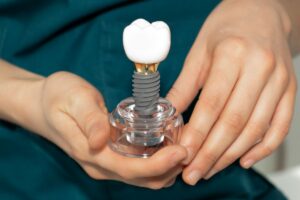
Dental implants are artificial tooth roots placed into the jawbone to support a crown, bridge, or denture. They are designed to function and feel like natural teeth while preserving bone structure and facial integrity.
As part of comprehensive restorative dentistry, implants are often considered the gold standard for tooth replacement because they:
- Prevent bone loss
- Restore chewing function
- Maintain facial structure
- Provide long-term durability
However, understanding potential side effects is an important part of the decision-making process.
Common Short-Term Side Effects of Tooth Implants
After implant placement, some temporary side effects are normal and expected. These typically resolve within several days to a week.
- Mild swelling around the implant site
- Minor bruising of the gums or cheeks
- Light bleeding
- Tenderness or soreness
- Temporary jaw stiffness
These symptoms are part of the natural healing process. Most patients in Grand Rapids find that discomfort is manageable with recommended aftercare and medication.
Following post-operative instructions carefully greatly reduces complications and supports smooth healing.

Long-Term Dental Implant Risks
While dental implants have a success rate above 95 percent when properly planned and placed, long-term complications can occur in rare cases.
- Peri-implantitis (infection around the implant)
- Bone loss around the implant
- Implant mobility or failure
- Nerve irritation or numbness
- Sinus complications for upper implants
One of the most important factors in preventing long-term issues is maintaining excellent gum health. If periodontal disease is present, it should be treated before implant placement. Our periodontal care services focus on creating a healthy foundation to support successful implants.
What Is Peri-Implantitis?
Peri-implantitis is an inflammatory condition that affects the gum and bone around a dental implant. It is similar to advanced gum disease and can compromise implant stability if left untreated.
Signs of peri-implantitis include:
- Persistent swelling
- Bleeding gums
- Bad taste or odor
- Bone loss visible on x-rays
- Implant looseness
Early detection significantly improves treatment outcomes. Regular dental visits in Grand Rapids are essential for monitoring implant health.
Can Your Body Reject a Dental Implant?
True implant “rejection” is rare. Most implant failures are related to infection, poor bone integration, or excessive bite pressure.
However, some patients are concerned about reactions to implant materials. Traditional implants are typically made from titanium. While titanium is widely considered safe, a small number of individuals may have metal sensitivities.
For patients who prefer a metal-free option, we offer biological dental implants made from zirconia. These ceramic implants are highly biocompatible and align with our philosophy of bio-compatible dentistry, which prioritizes materials designed to work harmoniously with the body.
Who Is at Higher Risk for Tooth Implant Side Effects?
- Smoking
- Uncontrolled diabetes
- Advanced gum disease
- Poor oral hygiene
- Insufficient bone density
- Chronic inflammatory conditions
Patients in Grand Rapids with a history of periodontal disease should undergo thorough evaluation before implant placement. Proper preparation significantly reduces risks.
Signs of Dental Implant Failure
While uncommon, it is important to recognize the warning signs of implant complications.
- Persistent or worsening pain
- Swelling that does not improve
- Gum recession around the implant
- Implant movement
- Difficulty chewing
- Ongoing infection symptoms
Prompt evaluation allows early intervention and often prevents implant loss.
How to Minimize Tooth Implant Side Effects
- Comprehensive evaluation before placement
- Treating gum disease before surgery
- Following post-operative instructions closely
- Maintaining strict oral hygiene
- Attending routine dental check-ups
- Avoiding smoking
When implants are placed as part of a comprehensive restorative treatment plan, outcomes are significantly improved.
Concerned About Tooth Implant Side Effects in Grand Rapids?
If you are considering dental implants and have questions about potential risks, scheduling a personalized consultation is the best next step.
Every patient’s health history, bone structure, and treatment goals are different. A comprehensive evaluation ensures you understand:
- Whether you are a good candidate
- How to minimize implant risks
- Whether metal-free or biological options are appropriate
- What to expect during recovery
Our goal is not simply to place implants — but to provide long-term solutions that support both oral and overall health for patients in Grand Rapids, MI.
If you would like to explore your options or discuss concerns about tooth implant side effects, we invite you to schedule a consultation at our office located at 901 Michigan Street NE in Grand Rapids.
Frequently Asked Questions About Tooth Implant Side Effects
Do tooth implants have side effects?
Yes. Like any surgical procedure, dental implants can have short-term side effects such as swelling, bruising, tenderness, and minor bleeding. Most of these improve within several days. More serious complications are less common but can include infection, bone loss, or implant failure.
What are the most common side effects after a dental implant?
The most common short-term side effects include mild swelling, soreness, light bleeding, and temporary jaw stiffness. These are usually part of the normal healing process after implant placement.
Can your body reject a dental implant?
True rejection is rare. In most cases, implant problems are related to infection, poor healing, lack of bone integration, or excessive bite pressure. Some patients with metal sensitivities may prefer zirconia implants as a metal-free alternative.
How do you know if a dental implant is failing?
Warning signs may include worsening pain, swelling that does not improve, gum recession around the implant, implant movement, or signs of infection. If you notice any of these symptoms, you should schedule an evaluation promptly.
Are zirconia implants a good option for patients with metal sensitivities?
Zirconia implants may be a good option for patients seeking a metal-free, highly biocompatible alternative to titanium. They are often chosen by patients who prefer a biological approach to dental care.