
CPAP is highly effective for obstructive sleep apnea when used consistently, but some people struggle with mask discomfort, air leaks, or pressure. If CPAP has been difficult for you, discuss the problem with your sleep clinician. Adjustments may help, and other treatment options may be appropriate.
This article provides general education. Do not stop prescribed CPAP or change your treatment without discussing it with your treating clinician.
Oral appliance therapy
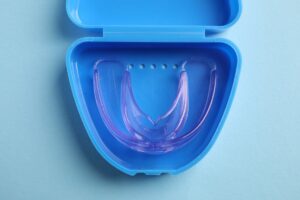
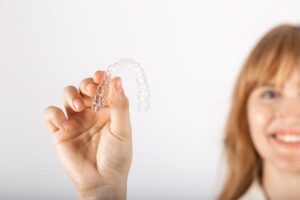
A custom oral appliance is worn during sleep to help keep the upper airway open, commonly by holding the lower jaw forward. It is different from an ordinary nightguard made to protect teeth from grinding.
Oral appliances may be considered for adults with obstructive sleep apnea who cannot tolerate CPAP or prefer an alternative, following medical evaluation. They are often used for mild to moderate disease. Severe sleep apnea requires particular care in treatment selection and objective follow-up.
Learn about sleep apnea treatment and oral appliance therapy at Complete Health Dentistry in Grand Rapids.
How does an oral appliance compare with CPAP?
CPAP generally reduces breathing disruptions more effectively. A custom appliance is smaller, portable, and does not require a mask or powered machine. Convenience alone does not tell you whether it adequately treats your condition.
Suitability depends on your diagnosis, teeth and gums, jaw joints, bite, and other health factors. Side effects can include soreness, saliva changes, tooth movement, and bite changes. Ongoing dental follow-up and sleep testing help assess effectiveness and manage problems.
Other approaches your medical team may discuss
- Positional therapy: May help selected patients whose obstructive events occur predominantly when sleeping on their back.
- Weight management: May be part of care when excess weight contributes to sleep apnea, alongside appropriate treatment.
- Surgical evaluation: Selected patients may benefit from procedures addressing specific anatomy or other specialist-directed options.
- Myofunctional therapy: Exercises addressing oral muscle function may be discussed as an adjunct in selected cases. They should not replace effective prescribed treatment without medical guidance.
These approaches are not interchangeable, and suitability depends on the cause and severity of the sleep apnea. Central sleep apnea is a different condition and needs medical management; dental oral appliances are not a general treatment for it.
Start with an accurate diagnosis
Snoring alone does not establish sleep apnea. A medical clinician reviews your symptoms and arranges appropriate sleep testing. A dental examination or CBCT scan cannot establish an obstructive sleep apnea diagnosis.
Once the diagnosis is known, a dentist can evaluate whether an oral appliance is appropriate, take records for a custom device, and adjust the fit and jaw position. Your sleep clinician determines how treatment response should be assessed. Feeling better is useful information, but it does not replace objective confirmation that treatment is working.
Frequently asked questions
Can I use a store-bought mouthguard?
A grinding guard or over-the-counter snoring device is not a substitute for a prescribed custom sleep apnea appliance. Ask your medical and dental team which device and follow-up plan are appropriate.
Can I use an appliance just when traveling?
Only if your treating team has confirmed that the appliance adequately treats your sleep apnea and agrees on when to use it. Do not assume that an untested travel alternative provides the same protection as prescribed CPAP.
What if I cannot tolerate CPAP?
Tell your sleep clinician what is difficult. Mask, pressure, or comfort adjustments may help. If problems persist, ask about an alternative or combined treatment plan rather than leaving sleep apnea untreated.
Discuss your next step
Bring your sleep-study results and current treatment information to an evaluation. Read more about our Airway & Sleep Health approach, or contact Complete Health Dentistry to ask about an oral appliance evaluation.